
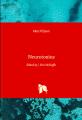
Neurotoxins
by J. Eric McDuffie (ed.)
Publisher: InTech 2018
ISBN-13: 9781789231694
Number of pages: 146
Description:
Toxicologists seek to better understand the myriad of mechanisms responsible for neurotoxins. Because the incidence of neurobehavioral hazards and risks of exogenous compounds (e.g., natural toxins, synthetic molecules, and therapeutic agents) remain a subject matter of interest, predictive tools have evolved, including but not limited to novel translational in vitro models, biomarkers, newer epidemiological research tools, and well-accepted best practices for diagnosing neurotoxins in clinical practice.
Download or read it online for free here:
Download link
(multiple PDF files)
Similar books
 Methods for Neural Ensemble Recordings
by Miguel AL Nicolelis - CRC Press
Neural ensemble recording grew into a well-respected and highly data-lucrative science. New experimental paradigms and the establishment of direct real-time brain-machine interfaces hold promise for new-generation prosthetic devices.
(9337 views)
 Itch: Mechanisms and Treatment
by E Carstens, Tasuku Akiyama (eds) - CRC Press
A timely update on all aspects of itch research and the treatment of itch that accompanies many dermatological conditions including psoriasis, neuropathic itch, cutaneous t-cells lymphoma, and systemic diseases such as liver disease and cancer.
(8453 views)
 In Vivo Optical Imaging of Brain Function
by Ron D Frostig - Taylor & Francis Group
Reflecting changes in the field during the past five years, the second edition of the book describes state-of-the-art techniques and their applications for the growing field of functional imaging in the live brain using optical imaging techniques.
(10121 views)
 Pathogenesis of Encephalitis
by Daisuke Hayasaka - InTech
Encephalitis is an inflammation of the brain parenchyma, which may result in a more serious disease meningoencephalitis. To establish diagnosis and develop effective vaccines to overcome this disease, it is important to understand its mechanism.
(9702 views)