

Good Digital Hygiene: A guide to staying secure in cyberspace
by Ed Gelbstein
Publisher: Bookboon 2013
ISBN-13: 9788740305777
Number of pages: 86
Description:
The explosive growth in the adoption of electronic devices by the general population (computers in various forms, smartphones and tablets) is creating and environment where some measures of digital hygiene (such as maintaining strong passwords, carrying out backups, not becoming a victim to phishing, etc.) are needed to protect the devices and the data they contain as well as their owners. This book presents 39 such measures.
Download or read it online for free here:
Download link
(14MB, PDF)
Similar books
 Fundamentals of Media Security
by WeiQi Yan, Jonathan Weir - BookBoon
This introductory text covers media security, highlighting various types of objective and subjective assessment criteria used to evaluate various multimedia types. Steganography algorithms are detailed along with detection of information hiding.
(9841 views)
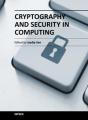 Cryptography and Security in Computing
by Jaydip Sen (ed.) - InTech
The purpose of this book is to present some of the security challenges in today's computing world and to discuss mechanisms for defending against those attacks by using classical and modern approaches of cryptography and other defense mechanisms.
(20490 views)
 Cryptography and Data Security
by Dorothy Elizabeth Robling Denning - Addison-Wesley
The book introduces the mathematical principles of data security and shows how these principles apply to operating systems, database systems, and computer networks. It is for students and professionals seeking an introduction to these principles.
(18224 views)
 Software Update as a Mechanism for Resilience and Security
- The National Academies Press
Software update is an important mechanism by which security changes and improvements are made in software, and this seemingly simple concept encompasses a wide variety of practices, mechanisms, policies, and technologies.
(6023 views)