
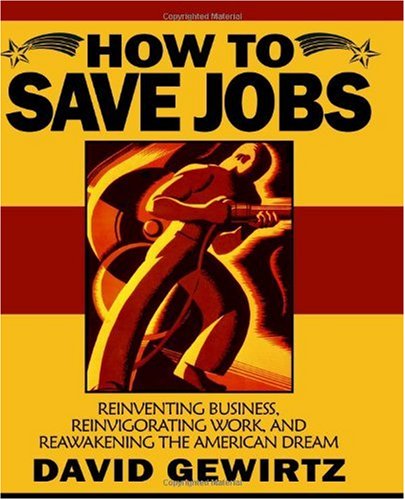
How To Save Jobs
by David Gewirtz
Publisher: ZATZ Publishing 2010
ISBN/ASIN: 0945266014
ISBN-13: 9780945266013
Number of pages: 476
Description:
A shocking and disturbing look into how changes worldwide have created enormous disruption in the very nature of jobs in America. Ideas, strategies, and innovative approaches for policy change that could make a real difference and help save and create jobs in America. Powerfully effective hands-on tips, techniques, and strategies that you personally can take to keep and create jobs, without waiting for politicians to get their act together.
Download or read it online for free here:
Download link
(13MB, PDF)
Similar books
 Aftershocks: Economic Crisis and Institutional Choice
by A. Hemerijck, B. Knapen, E. van Doorne (eds.) - Amsterdam University Press
The book contains essays based on interviews with leading scholars, politicians and representatives from the world of business. They reflect on the origins of the crisis as well as the possible economic and political transformations it may engender.
(7481 views)
 The Economic Geography of Globalization
by Piotr Pachura - InTech
The economy is possibly the most recognized dimension of globalization. The authors of the articles in this book represent the great diversity of disciplines and methodological approaches as well as a variety of academic culture.
(9897 views)
 Case for Legalizing Capitalism
by Kel Kelly - Ludwig von Mises Institute
What's the American system of economics? Most people would say it is capitalism, which thereby deserves all fault when anything goes wrong. Kel Kelly responds to this myth in this comprehensive treatment of the free market and intervention.
(8548 views)
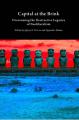 Capital at the Brink: Overcoming the Destructive Legacies of Neoliberalism
by Jeffrey R. Di Leo, Uppinder Mehan (eds.) - Michigan Publishing
The book reveals the pervasiveness, destructiveness, and dominance of neoliberalism within American society and culture. The contributors also offer points of resistance to an ideology wherein everything either is for sale or is plundered for profit.
(7153 views)